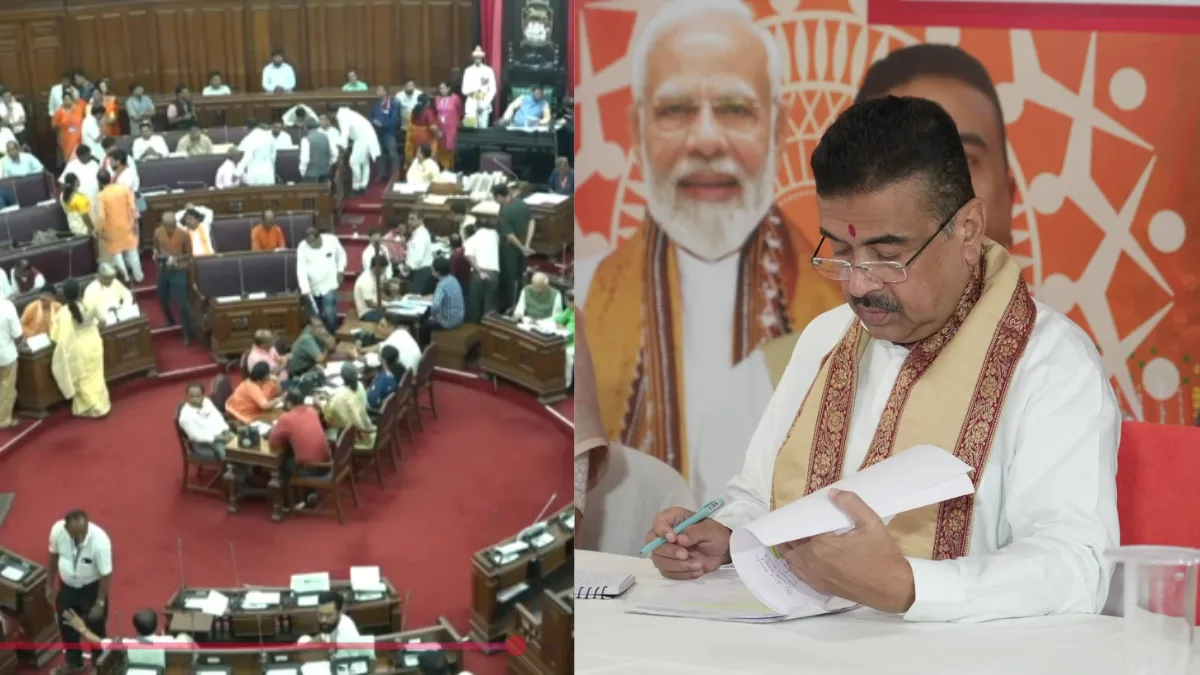
The Bharatiya Janata Party (BJP) is on its way to implement one of its ‘core issues’ in West Bengal, months after coming to power in the state. The saffron party which has sufficient majority to steamroll any bill, has chosen to hold back and constitute a committee headed by a retired judge to prepare a framework for the Uniform Civil Code (UCC).
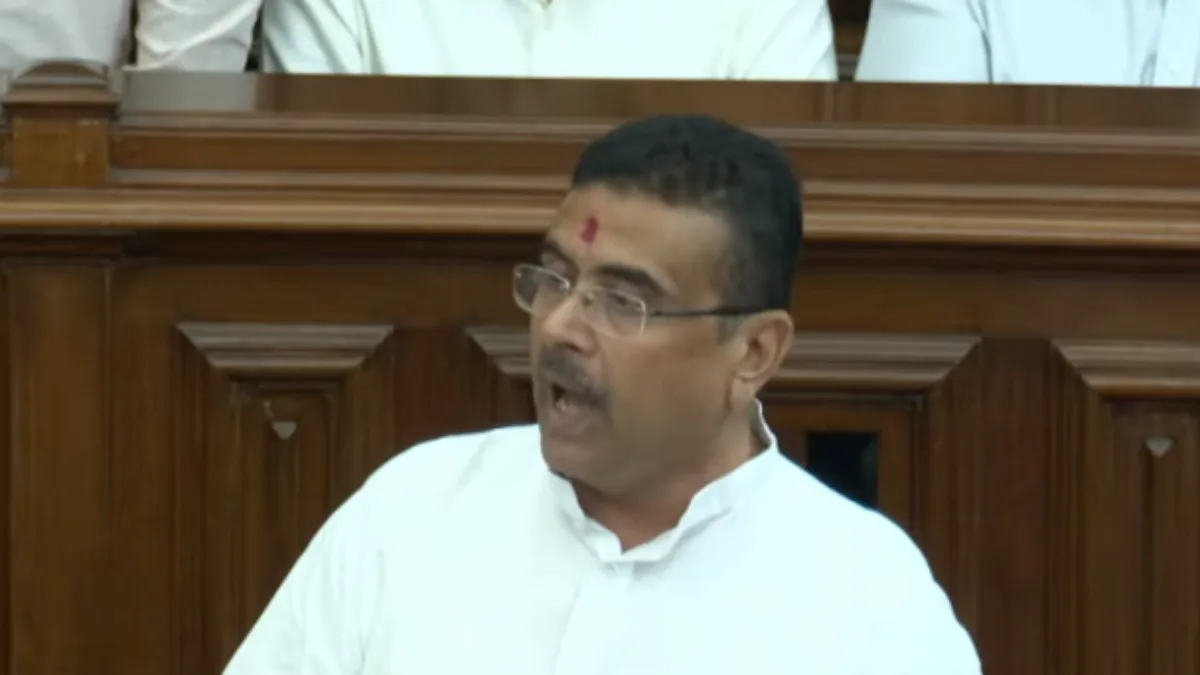
“We will follow a specific procedure, which will be outlined in the Assembly. A committee has been formed under the leadership of a retired judge. The process will mirror the procedures followed in Gujarat, Uttarakhand and Assam,” Chief Minister Suvendu Adhikari had earlier mentioned, speaking to reporters.
Advertisement
The legislation aims to establish a common set of civil laws on matters like marriage, divorce, inheritance, succession and adoption, irrespective of religious affiliation. Here’s what may have prompted them and the challenges it may face:
- The idea behind UCC stems from Article 44 of the Constitution. Listed under Directive Principles of State Policy the article mentioned that the state shall “endeavour to secure for the citizens a uniform civil code throughout the territory of India.” The BJP has always advocated towards this goal.
- The UCC was introduced for the first time in Uttarakhand, it was followed by other BJP ruled states like Gujarat and Assam. In Madhya Pradesh, another state ruled by the saffron party, the bill lies in its drafting stage.
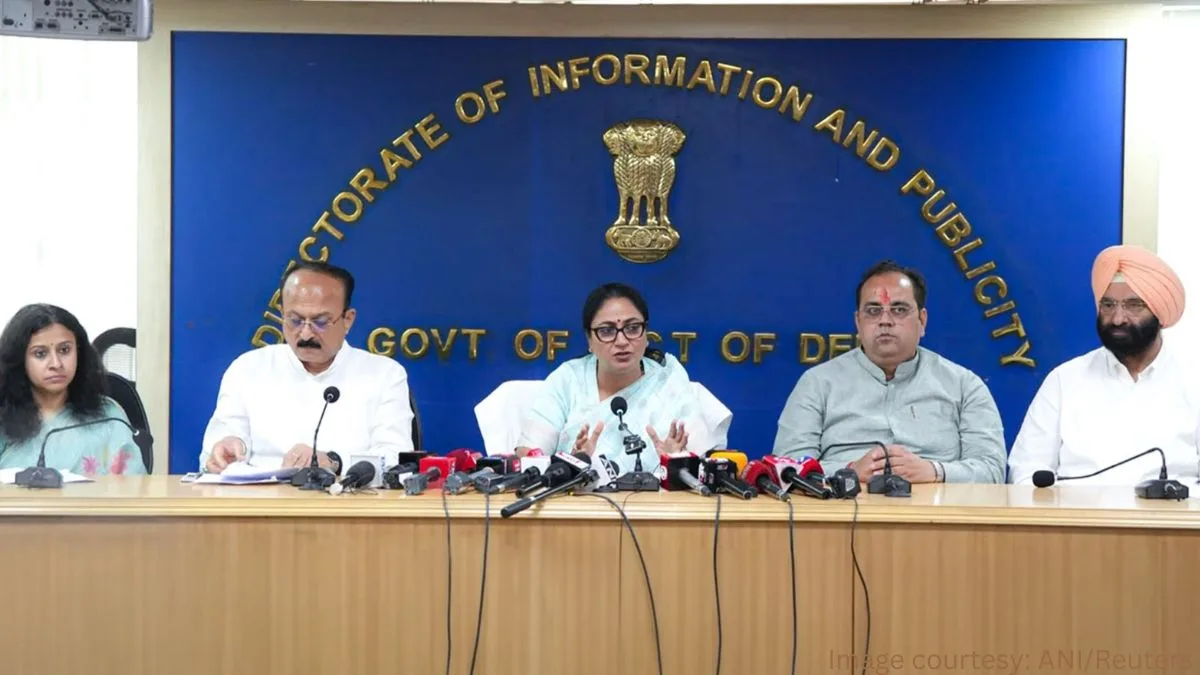
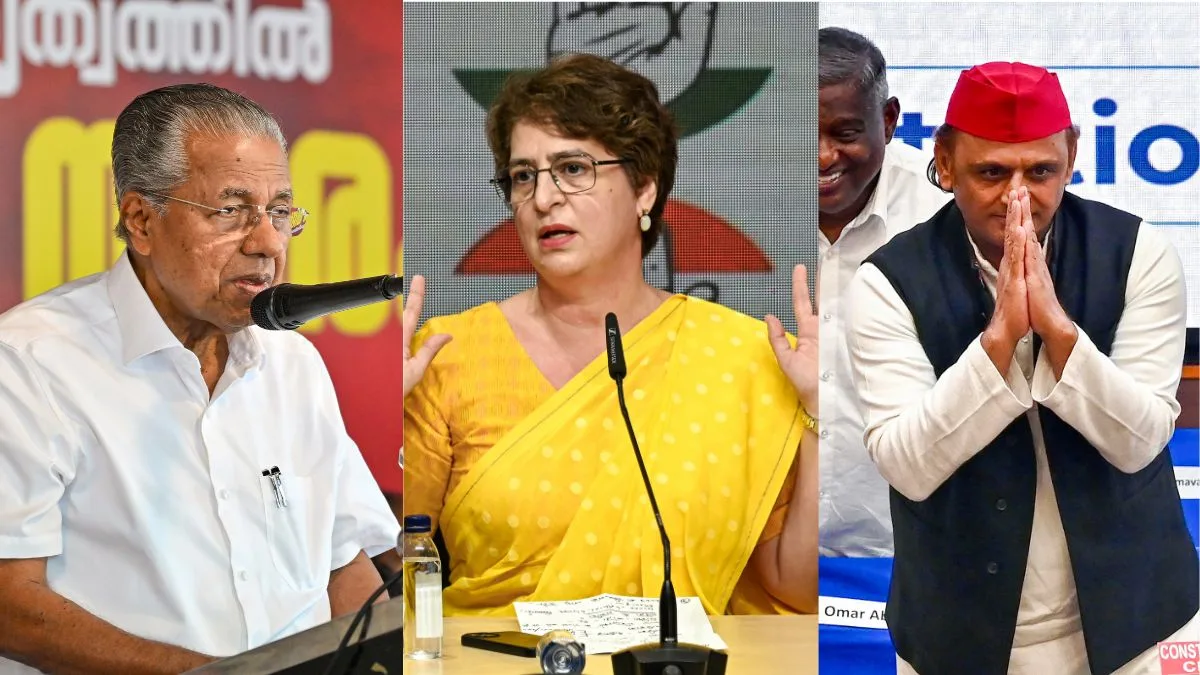
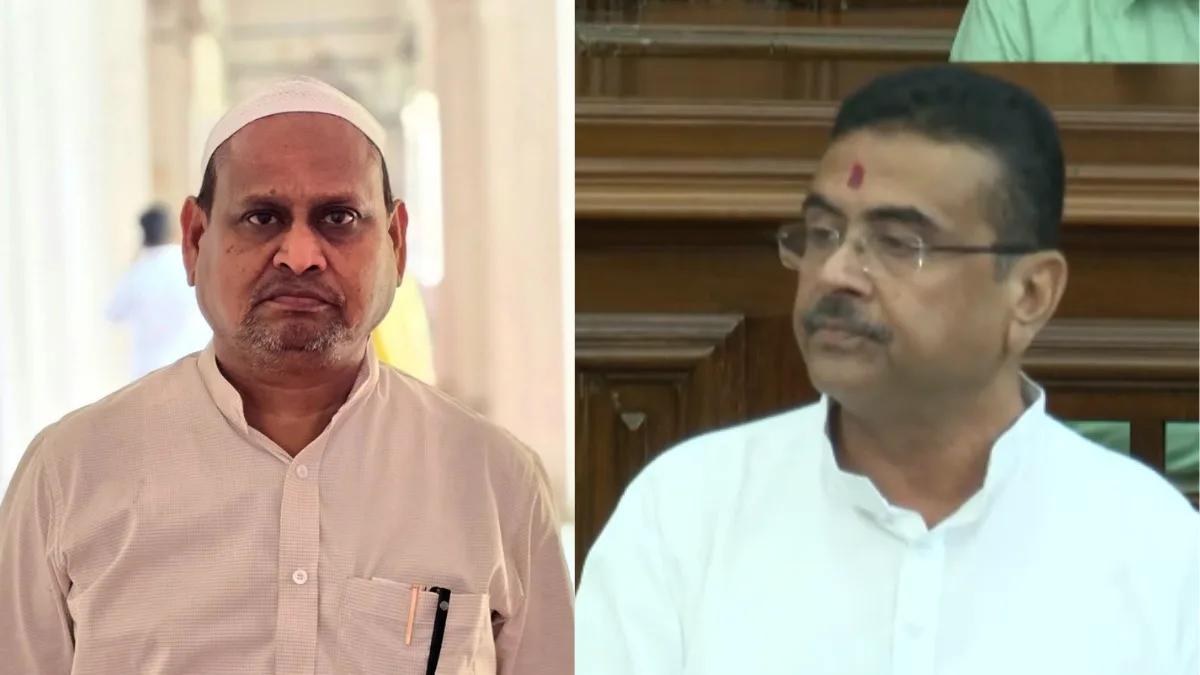
- The Opposition have voiced its criticism saying that it is an attempt by the ruling BJP to divide socitey. The saffron party is seen by its political opponents as an advocate for promoting the ideals of a religious majoritarian state. The UCC, the Opposition argues, is aimed at furthering that objective, while stifling the minorities.
- Senior Congress leader Adhir Ranjan Chowdhury told ANI that people of diverse religions, castes and communities have lived in West Bengal peacefully and the government should have a thorough consultation with all states and civil society forums across the country instead of steamrolling this crucial legislation in the assembly.
- West Bengal has one of the country’s largest minority populations, mostly Muslims, who make up around 27 percent of its population as per the latest census. The UCC which intends to do away with personal laws may trigger a backlash.
- The BJP has argued that implementing UCC would promote equality before the law and gender justice. Moreover, raising this issue in the assembly would help it to distinguish itself from its predecessors, the TMC, Left and the Congress, all parties which have advocated for respecting personal laws.
- One of the prime challenges that the UCC may face before the courts it that the legilation may step on the fundamental right to freely practice one’s religion, mentioned under Article 25, as well as the rights of minority communities to safeguard their cultural and educational rights, mentioned under Article 29. The courts may have to decide whether a uniform ‘code’ for all communities marginalises these religious groups.